
7 Cognitive-Behavioral Skills Every Physical Therapist Can Use
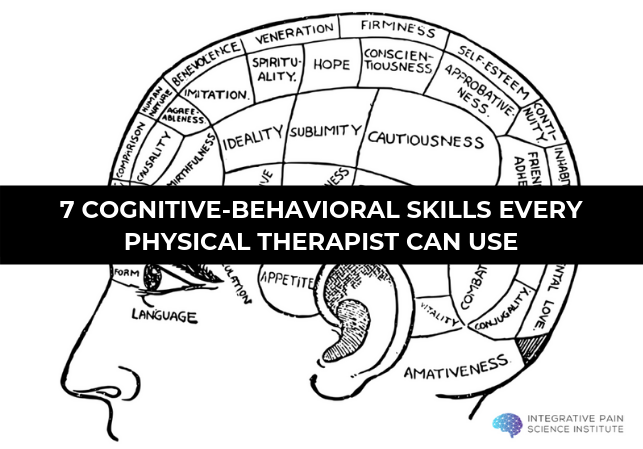
Cognitive-behavioral therapy (CBT) has shown to be highly effective in fields outside of traditional psychotherapy. Research illustrating the benefit of CBT techniques for patients with persistent pain has led physical therapists to explore their use. (1) Have you currently incorporated cognitive-behavioral skills into your clinical practice? The following is a 7-step framework for integrating CBT […]
The Nutrition-Pain Connection: Improving Physical Therapy Outcomes
Improving physical therapy results with nutrition-pain connection. We’ve obviously come a long way since the time of the ancient Greeks. But, sometimes words from long-ago scholars like Hippocrates (referred to by many as the “Father of Medicine”) can serve as wonderful reminders that the path to good health includes not just movement, and not just […]
An Inside Look at What Doctors Learn About Pain in Medical School

Modern pain science has made great strides in uncovering the neurophysiologic mechanisms and cognitive processes that underlie nociception and pain. The field of pain science will continue to grow as government and private interests search for effective pain management strategies, and as consumers demand safe and effective treatment. But is the latest pain science being […]
Cognitive-Behavioral Therapy Skills for Modern Pain Practitioners
Cognitive Behavioral Therapy (CBT) is a time-limited approach that has been shown to be effective across a number of chronic pain conditions. CBT involves a structured approach that focuses on the relationships among cognitions (thoughts), emotions, and behaviors. Treatments based on cognitive behavioral therapy have been successfully applied to chronic pain, either delivered alone, by […]
5 Ways to Open the Door to Willingness in Chronic Pain

Many clients with chronic pain spend enormous amounts of time, energy and money trying to control or eradicate pain. The unfortunate clinical reality (for some) is that total pain relief is not always possible. When this is the case, a shift in approach to pain care is often necessary. Modern pain care emphasizes the resumption […]
3 Key Skills of Psychologically Informed Pain Care
Psychosocial factors relevant to pain care. What psychosocial “yellow flags” relating to pain are commonly seen in your clinic, and how might they be addressed? Health care for people living with persistent pain has changed in recent years, and for good reason. With an estimated 100 million people suffering from chronic pain, it seems evident […]